Why a Food Pallet Must Meet Strict Hygiene Standards
Food distribution environments demand strict sanitation protocols. Traditional wood pallet systems can absorb spills, harbor bacteria, and trap moisture within porous fibers. Over time, this creates contamination risks that compromise product integrity.
A plastic food pallet provides a non-porous surface that does not absorb liquids. It is easier to clean, sanitize, and maintain. Because a food pallet remains consistent in shape and composition, it supports compliance with food handling standards across manufacturing, warehousing, and transportation.
When your pallet supports cleanliness instead of working against it, inspections become smoother and risks decrease.
Plastic Food Pallet vs. Wood Pallet Systems
Wood pallets have long been used in food supply chains, but they present limitations. Splintering boards, protruding nails, and moisture retention increase the risk of product damage and contamination.
A plastic food pallet eliminates these issues. It resists moisture, does not splinter, and maintains structural integrity in humid or refrigerated environments.
Unlike wood, a food pallet made from plastic is easier to wash down and sanitize. It provides a cleaner, more consistent platform for food-grade handling.
When sanitation matters, plastic outperforms traditional wood pallet systems.
Food Pallet Performance in Cold Storage and Refrigeration
Many food operations rely on refrigerated or frozen storage. Temperature fluctuations and condensation can weaken wood pallets over time.
A plastic food pallet withstands cold storage conditions without cracking, warping, or absorbing moisture. It maintains its strength in both chilled and ambient environments.
For food manufacturers, grocery distributors, and cold chain operators, a durable food pallet ensures product stability regardless of temperature conditions.
Cold storage demands consistent pallet performance.
Food Pallet Load Capacity and Stability
Food products are often heavy and stacked in layers. A food pallet must support static and dynamic loads without bowing or shifting.
High-quality food pallet systems are engineered for balanced weight distribution. Reinforced deck surfaces help prevent load movement during transport.
A food pallet with a high coefficient of friction improves load stability, reducing the risk of sliding during forklift handling or shipment.
Stable loads reduce product damage and improve delivery reliability.
Sustainable Food Pallet Solutions
Sustainability is becoming increasingly important in the food industry. Consumers expect environmentally responsible practices from farm to shelf.
A food pallet made from 100% recycled plastic supports circular manufacturing while delivering long-term durability. Unlike disposable wood pallet systems, a reusable food pallet remains in circulation longer, reducing waste.
Because a durable food pallet requires fewer replacements, it lowers overall material consumption.
Sustainability and food safety can work together in one pallet solution.
Export-Ready Food Pallet for Global Food Distribution
If your food products ship internationally, pallet compliance becomes critical. Wood pallets often require fumigation or heat treatment under ISPM-15 regulations.
A plastic food pallet does not require fumigation or heat treatment. It is export ready without additional processing.
This eliminates compliance delays, reduces extra costs, and simplifies global shipping.
An export-ready food pallet strengthens international distribution strategies.
Cost Efficiency of a Food Pallet Investment
While initial pallet cost matters, long-term performance determines profitability. A durable food pallet reduces:
Product contamination risk
Replacement frequency
Warehouse debris
Maintenance disruptions
Export compliance expenses
Over time, these savings outweigh the upfront investment.
A reliable food pallet protects both your product and your bottom line.
Improve Food Safety with a Dedicated Food Pallet
Food safety is foundational to brand trust. An unstable or contaminated pallet can undermine years of reputation building.
A well-designed food pallet supports sanitary handling, reduces contamination risks, and improves warehouse cleanliness. Plastic construction eliminates splinters and exposed fasteners that could damage packaging.
When your pallet system aligns with food safety priorities, operational confidence increases.
A clean pallet contributes to a clean supply chain.
Food Pallet Compatibility with Automation
Modern food distribution centers increasingly rely on automation. Inconsistent pallet dimensions can disrupt conveyor lines and robotic systems.
A plastic food pallet maintains uniform dimensions, improving compatibility with automated handling equipment.
When pallets move seamlessly through automation systems, productivity improves and downtime decreases.
Consistency drives efficiency.
Upgrade to a Safer, Stronger Food Pallet
Your food supply chain depends on cleanliness, stability, and compliance. A high-performance food pallet protects your products, supports sanitation standards, and reduces long-term operational costs.
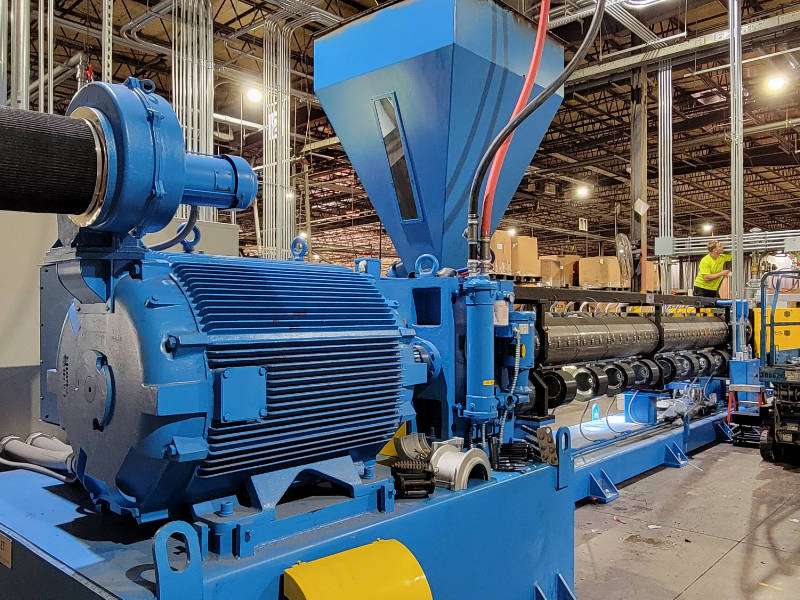
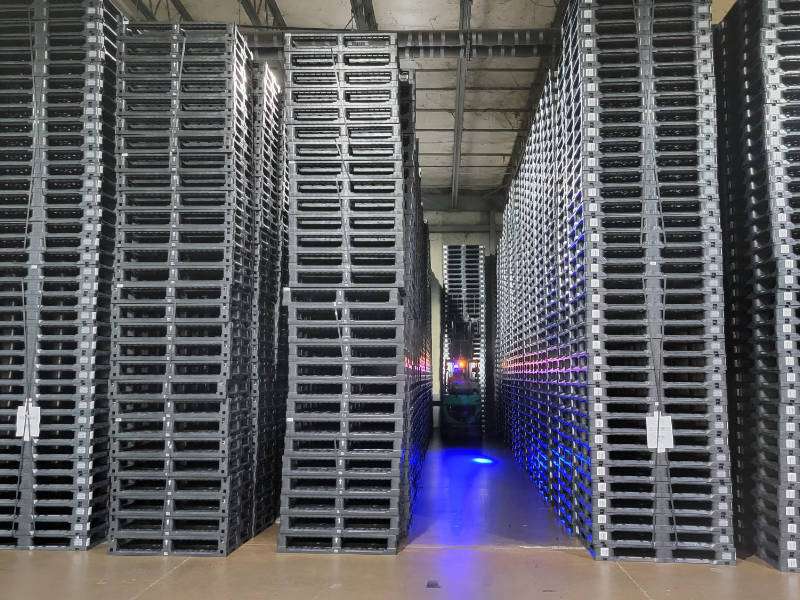
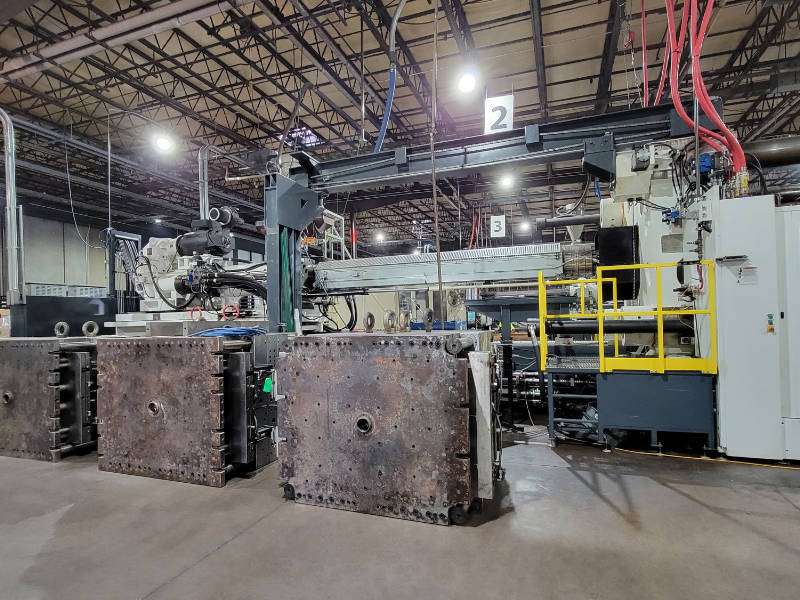
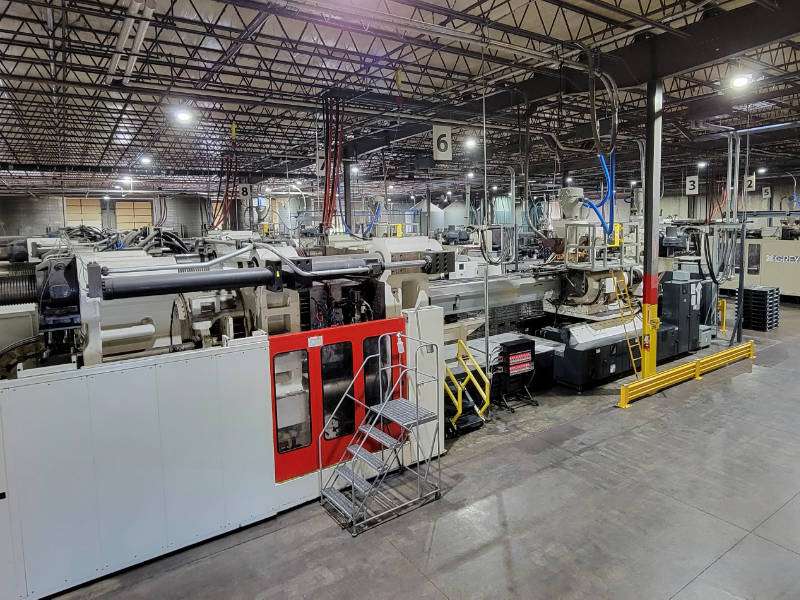
Greystone Pallets manufactures 100% recycled plastic food pallets in the USA that are clean, durable, export ready, and engineered with a high coefficient of friction for maximum load stability. These food pallet solutions are cost-effective and do not require fumigation or heat treatment like wood pallets.
If you are ready to strengthen food safety and improve supply chain reliability, get a quote and explore Greystone Pallets’ food pallet options today. Invest in a pallet solution designed for hygienic, high-performance food distribution without compromise.